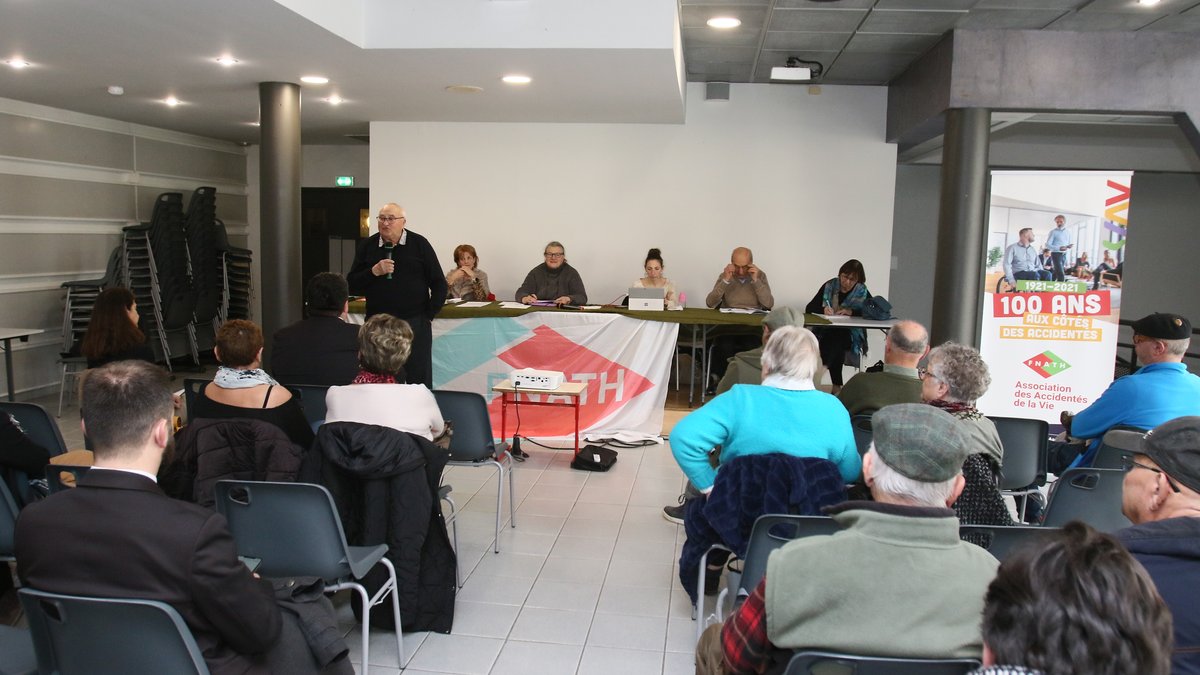
FNATH: Championing Victims of Life's Accidents & Disabilities
Life's unpredictability can lead to sudden, life-altering events, from unexpected accidents to the onset of debilitating illnesses. Many individuals find themselves navigating a new reality, compounded by physical, psychological, and financial hurdles. In France, these individuals are known as "accidentés de la vie" – victims of life's diverse accidents and disabilities. For over a century, FNATH, the National Federation of the Victims of Accidents at Work and Persons with Disabilities, has served as a steadfast advocate and support system, dedicating its efforts to improving the lives of those impacted by these profound challenges and their families.
What Does "Accidentés de la Vie" Truly Mean?
The concept of "accidentés de la vie" extends far beyond a simple incident. It's a comprehensive term covering a vast spectrum of adversities that can lead to injury, illness, or disability, profoundly affecting an individual's well-being and independence. FNATH's mandate clarifies this broad scope, encompassing victims of:
- Work Accidents and Occupational Diseases: Injuries sustained at the workplace or illnesses developed due to professional exposure, often involving complex legal and medical claims.
- Road Accidents: Collisions, pedestrian incidents, or any event on public roads, ranging from minor to severe, life-altering conditions that often require extensive rehabilitation and legal action.
- Natural or Industrial Disasters: Earthquakes, floods, chemical spills, or factory explosions that cause widespread harm and displace communities, demanding both collective and deeply personal recovery efforts.
- Medical Accidents: Unforeseen complications during medical procedures, misdiagnoses, or adverse reactions to treatments, often requiring meticulous review and navigation of medical law.
- Domestic Accidents: Falls, burns, poisonings, or other injuries occurring within the home, which can have significant long-term impacts despite often being overlooked.
- Aggressions or Acts of Terrorism: Violence that inflicts severe physical and psychological trauma, demanding intensive support for recovery and justice.
Each scenario presents immediate physical challenges, alongside a cascade of psychological, social, and economic difficulties. Victims may face loss of income, extensive medical care, prolonged rehabilitation, or struggles with social reintegration. This is where the holistic support offered by organizations like FNATH becomes indispensable. To delve deeper into the specific incidents covered under this umbrella, you might find Understanding 'Accidentés de la Vie': From Work to Domestic Incidents particularly insightful.
FNATH: A Beacon of Support and Advocacy
FNATH has been at the forefront of championing the rights and welfare of the accidentés de la vie for over a century. Their mission is clear and unwavering: to improve the lot of these victims, as well as all disabled, invalid, or sick individuals and their beneficiaries. This commitment translates into tangible actions across various fronts:
- Legal and Administrative Assistance: Navigating intricate legal frameworks around accidents, disabilities, and social security can be overwhelming. FNATH provides expert guidance on compensation claims, disability benefits, access to care, and legal representation, ensuring victims receive their rightful entitlements.
- Medical and Social Support: Beyond legalities, FNATH offers vital assistance in understanding medical reports, accessing rehabilitation services, and securing appropriate adapted equipment. They also foster social reintegration by connecting individuals with peer support networks and advocating for inclusive environments.
- Advocacy and Policy Influence: FNATH actively works to influence public policy and legislation, lobbying government bodies and participating in consultations to better protect the rights of disabled individuals. Their efforts contribute to a more just and accessible society.
- Information and Education: Empowering individuals through knowledge is a core principle. FNATH organizes conferences, workshops, and publishes resources to inform victims and their families about their rights, available services, and evolving legal landscapes.
Their work extends to ensuring dependents and family members also receive necessary support, recognizing that the impact of an accident or disability reverberates throughout an entire household. FNATH acts as a crucial bridge, connecting individuals with the resources and expertise needed to rebuild their lives with dignity and independence.
The "Grande Cause Régionale" & Collaborative Efforts
Highlighting the importance of regional engagement and collective responsibility, FNATH's mission gained significant traction during the "Grande Cause Régionale" (Great Regional Cause) of 2019. This initiative underscored the collaborative efforts needed to support accidentés de la vie and persons with disabilities at a local level. A notable event within this framework was the visit of Ms. CHAIX, special advisor to the President of the Region for persons with disabilities, to establishments like "Les Ateliers du Moulin à Vent" and "Graine de Cuir."
These visits were rich in exchanges, allowing teams of workers – many of whom might be individuals with disabilities – to showcase their skills, professionalism, and the quality of their work. This not only provided a platform for recognition but also fostered a deeper understanding among regional decision-makers regarding the value and potential of all individuals, regardless of their physical condition. It highlighted successful models of inclusive employment and rehabilitation through productive work environments.
A key component of the "Grande Cause Régionale" was the "Assises des Accidents de la Vie" (Conferences on Life's Accidents), held at the Hôtel de Région. These comprehensive events featured a series of conferences and workshops designed to:
- Share Knowledge: Experts, victims, and support professionals gathered to discuss advancements in rehabilitation, legal frameworks, and social inclusion strategies.
- Foster Dialogue: These platforms encouraged open discussion between stakeholders, leading to a better understanding of needs and potential solutions.
- Develop Policy Recommendations: Insights often contributed to the formulation of regional and national policies aimed at improving the lives of accidentés de la vie.
- Build Community: Victims and their families found a space to connect, share experiences, and realize they are not alone.
Such regional initiatives are vital, demonstrating how local governments, associations, and businesses can collaborate to create a more supportive and inclusive society. For a deeper understanding of these significant regional efforts, exploring Accidentés de la Vie: Understanding the Grande Cause Régionale is highly recommended.
Navigating Life After an Accident or Disability: Practical Steps and Resources
Facing life after a significant accident or the onset of a disability can be an incredibly daunting experience. While FNATH and similar organizations provide invaluable support, understanding practical steps can empower individuals to regain control and advocate for themselves. Here are some actionable tips:
- Seek Immediate and Comprehensive Medical Attention: Prioritize your health. Ensure all injuries or conditions are thoroughly documented by medical professionals, which is crucial for both treatment and future claims.
- Understand Your Rights and Entitlements: Navigating complex legal and administrative landscapes is challenging. Contact organizations like FNATH early to understand your rights regarding compensation, benefits, and specialized care. Prompt action can prevent missed deadlines and ensure proper claim submission.
- Focus on Rehabilitation and Therapy: Engage fully in physical therapy, occupational therapy, psychological counseling, or any other rehabilitation program recommended by your healthcare providers. Consistency significantly impacts recovery and adaptation.
- Document Everything: Keep meticulous records of all medical appointments, treatments, prescriptions, expenses, communications with insurance companies, and any lost wages. These details are essential for building a strong case for support and compensation.
- Build a Support Network: Connect with family, friends, and peer support groups. Sharing experiences with others who understand your situation provides immense emotional and practical support. FNATH often facilitates such connections.
- Explore Adapted Employment or Training: If returning to your previous job isn't feasible, explore vocational training or adapted employment opportunities. Many organizations and government programs support re-skilling and professional reintegration for individuals with disabilities.
- Advocate for Accessibility and Inclusion: Don't hesitate to speak up about accessibility barriers in public spaces, workplaces, or services. Your voice contributes to creating a more inclusive environment for everyone.
- Prioritize Mental Health: The emotional toll can be profound. Seek psychological support if you experience anxiety, depression, PTSD, or difficulty adjusting. Mental well-being is as crucial as physical recovery.
Remember, your journey is unique, but you don't have to face it alone. Utilizing available resources and actively participating in your recovery and advocacy can make a significant difference in your quality of life.
Conclusion
The journey of the "accidentés de la vie" is often one of immense challenge, resilience, and transformation. FNATH stands as a powerful testament to the belief that no one should face these adversities unsupported. By providing comprehensive legal, social, and medical assistance, alongside relentless advocacy, FNATH works tirelessly to improve the circumstances of victims of accidents and disabilities across France. Through initiatives like the "Grande Cause Régionale," they foster collaboration and highlight the critical importance of community involvement in building a more empathetic and accessible society. For anyone affected by life's unexpected turns, FNATH represents not just an organization, but a beacon of hope and a champion of rights, ensuring that the voices of the accidentés de la vie are heard, respected, and empowered.